Garden · Buying Guide
Best Garden Gloves (2026): 8 Picks for Thorns, Weeding and Fall Cleanup
The best garden gloves for every fall job, from elbow-length rose gauntlets and thin nitrile weeding gloves to a women's leather-palm everyday pair and warm insulated gloves, plus how to get the right fit.

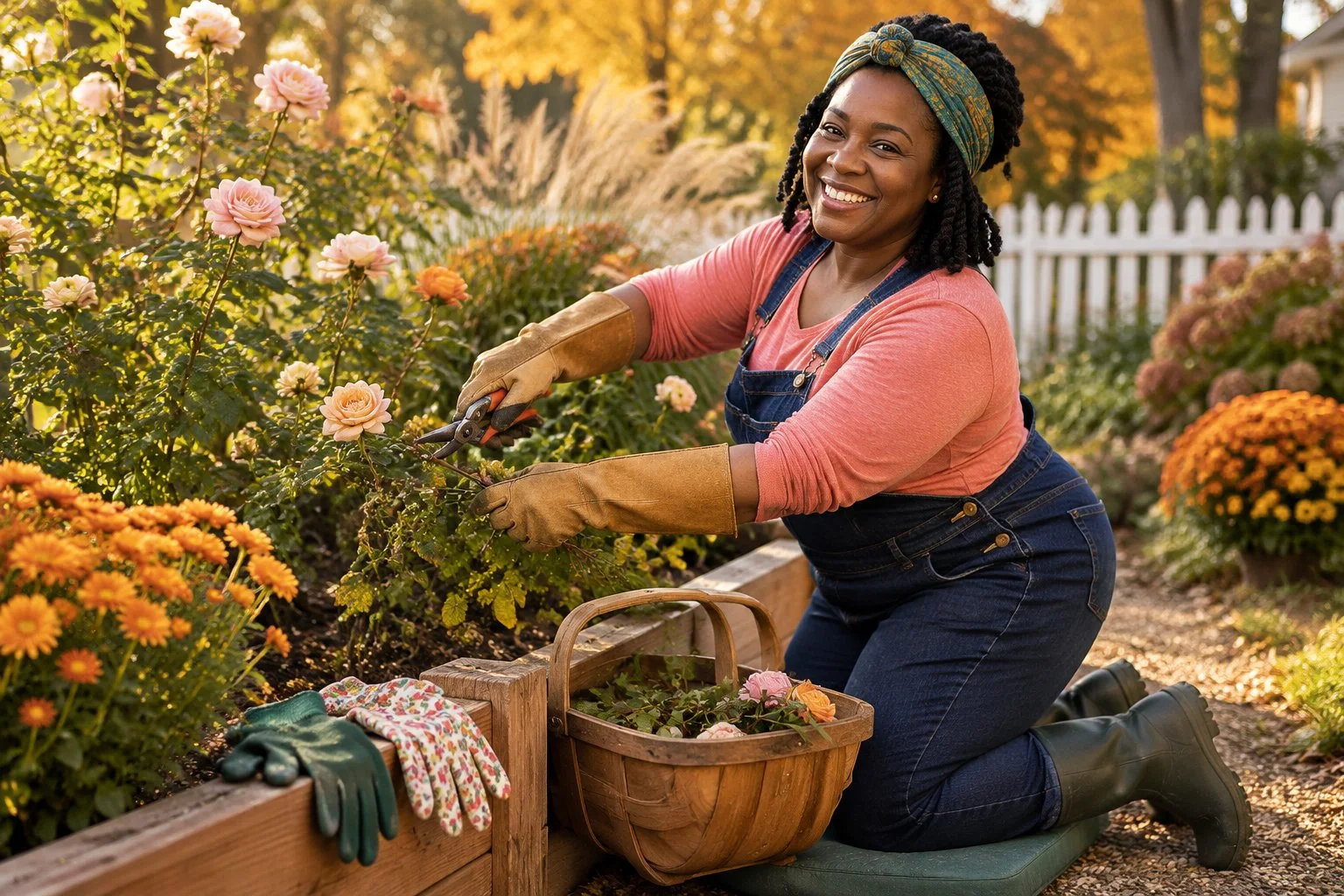
This guide is research-based; products were not tested hands-on.
Fall is when the garden asks the most of your hands. You're cutting back roses and spent perennials, raking and bagging leaves, tucking bulbs and garlic into cold soil, and clearing out beds on damp, chilly afternoons. The best garden gloves make all of that easier: fewer scratched forearms from rose and blackberry canes, less soil packed under your nails, fewer blisters from the rake handle, and no sweaty gloves sliding around just when you need a firm grip. The trouble is that a lot of "women's" gloves fall into two camps. Some are flimsy and cute. Others are so bulky you can't pick up a single seed. Neither helps much on a real workday.
As an Amazon Associate, ReviewDeal earns from qualifying purchases.
No single glove does every job well, which is why so many experienced gardeners keep two or three pairs by the back door. This guide sorts the options by task: thin coated gloves for weeding and seeding, tougher leather for raking and hauling, long gauntlets for roses and brambles, and insulated pairs for cold, wet cleanup days. It also covers how to get a fit that works for smaller hands, longer fingers, or achy joints. ReviewDeal did not test these gloves hands-on. These are researched recommendations based on Amazon listing details, recurring themes in public buyer feedback, and what established garden and review outlets broadly agree on.

Quick Picks: The Best Garden Gloves for Every Job
Best overall for women: Wells Lamont Women's HydraHyde Leather Hybrid Gloves. A women's-cut leather palm with a stretchy back that handles most everyday garden and yard work.
Best for weeding, seeding and dexterity: Showa Atlas 370 Garden Club Gloves, 4-pack. A thin nitrile-coated knit that long-time gardeners keep coming back to for fiddly, close-to-the-soil tasks.
Best value multipack: COOLJOB Gardening Gloves for Women, 6 pairs. Six brightly colored latex-coated pairs, so you can stash one by the door, one in the shed and one in the car.
Best for roses and thorns: HANDLANDY Rose Pruning Gloves. Pigskin leather with a gauntlet that reaches to just below the elbow, which protects your forearms.
Best stylish leather-palm pick: DIGZ Gardening Gloves for Women. A floral leather-palm glove with reinforced wear points and touchscreen-compatible fingertips.
Best for sensitive skin and sweaty hands: COOLJOB Bamboo Gardening Work Gloves, 2 pairs. A soft bamboo-rayon knit with a grippy nitrile coating that buyers often describe as very comfortable.
Best for digging and potting: Famoy Claw Gardening Gloves. Built-in fingertip claws for loose soil, containers and quick planting holes.
Best for cold, wet fall and winter yard work: HANDLANDY Women's Winter Work Gloves. A women's-cut, Thinsulate-insulated glove for raw late-season cleanup days.
Gardening Gloves Compared
Glove | Material | Cuff | Best for | Watch out for | Shop |
|---|---|---|---|---|---|
Wells Lamont Women's HydraHyde Leather Hybrid | HydraHyde grain cowhide leather palm, spandex back | Adjustable hook-and-loop wrist closure | Everyday gardening and general yard work | Runs small for some buyers; not for heavy thorny canes | |
Showa Atlas 370 Garden Club, 4-pack | Thin nitrile palm coating over seamless nylon knit | Pull-on knit wrist | Weeding, seeding, planting | No thorn protection; uncoated back can soak through | |
COOLJOB Gardening Gloves for Women, 6 pairs | Breathable knit with foamed latex palm coating | Long flexible cuff | Light everyday tasks, stocking up | Contains latex; can feel warm in heat | |
HANDLANDY Rose Pruning Gloves | Pigskin leather palm and back, synthetic leather gauntlet | Elbow-length gauntlet | Roses, holly, berry bushes, cactus | Bulkier; unisex sizing | |
DIGZ Gardening Gloves for Women | About 50% leather, 50% spandex | Adjustable hook-and-loop wrist strap | General gardening with some style | Inconsistent sizing; spandex back won't stop heavy thorns | |
COOLJOB Bamboo Gardening Work Gloves, 2 pairs | Bamboo rayon, nylon and spandex knit with foamed nitrile coating | Extended cuff | Sensitive skin, sweaty hands, light work | Long fingers don't suit every hand; not waterproof | |
Famoy Claw Gardening Gloves | About 20% latex, 80% polyester, with plastic fingertip claws | Stretchy wrist | Loose soil, potting, small holes | Not for rocky, compacted or clay soil; contains latex | |
HANDLANDY Women's Winter Work Gloves | Water-repellent outer, Thinsulate insulation, PU leather palm | Adjustable wrist strap and elastic cuff | Cold, damp fall and winter chores | Less dexterity; newer listing |
Our Top Garden Glove Picks, Reviewed
A quick note on the numbers below: star averages and rating counts are as listed on Amazon at the time of writing, and Amazon often pools ratings across colors, sizes and pack variations of the same listing. Treat them as a general signal of buyer satisfaction, not a precise score for the exact version you order.
1. Wells Lamont Women's HydraHyde Leather Hybrid: Best Overall for Women
If you want one glove that can move from weeding the herb bed to hauling a bag of mulch without a change, this is the strongest all-rounder in the group. It pairs a grain cowhide leather palm, which Wells Lamont says is built for abrasion and puncture resistance, with a stretchy spandex back. That combination gives you real protection where your hand actually meets the tool or the soil, while keeping enough flex to grab a trowel or pinch out a weed. The HydraHyde leather is, according to Wells Lamont, water-resistant and designed to stay soft, which is a nice bonus on dewy fall mornings.
The padded palm and reinforced fingertips are especially welcome during leaf season, when hours of raking and bagging can leave you with hot spots and blisters. (If your yard produces an avalanche of leaves every year, a cordless leaf blower can cut down on the raking, but you'll still want a grippy glove for bagging.) It's sitting around 4.6 stars from roughly 1,800 ratings at the time of writing and ranks #13 in Gardening Gloves, and buyers frequently describe it as their go-to everyday glove.
Best for: Everyday gardening plus harder yard work like raking, carrying, mulching and handling rough bark.
Key features
Designed for women, per the listing
HydraHyde leather that Wells Lamont says is water-resistant and stays soft
Grain cowhide leather palm for abrasion and puncture resistance
Reinforced fingertips and padded palm
Stretch spandex back for dexterity
Adjustable hook-and-loop wrist closure to help keep dirt out
ANSI/ISEA abrasion level 3, per the listing spec
Wells Lamont says it has made gloves since 1907
Pros
Buyers commonly describe it as comfortable and durable
Versatile enough for both light gardening and tougher yard chores
Padded palm helps on long raking and tool-handling sessions
Wrist strap is easy to adjust and helps keep soil out
Frequently called a good value
Cons
Runs very small for some buyers, so consider sizing up
The spandex back isn't made for heavy, thorny canes
Water-resistant leather, not fully waterproof
Who should skip it: Anyone whose main job is pruning climbing roses or fighting blackberries (go with a gauntlet), or anyone who regularly works in standing water and needs a truly waterproof glove.
2. Showa Atlas 370 Garden Club Gloves: Best for Weeding, Seeding and Dexterity
Ask a group of serious gardeners which glove they reach for most, and this style comes up again and again. The Atlas 370 is a seamless nylon knit liner with a thin nitrile coating on the palm, and it's light and form-fitting enough that you can still feel what you're doing. That's the whole point: thinning seedlings, pulling tiny weeds from between pavers, separating garlic cloves and setting bulbs at the right depth are all tasks where a thick glove just gets in the way.
Despite how thin it is, the listing gives it an ANSI/ISEA abrasion level 6, and buyers often say it offers surprisingly good protection for the weight. The back of the hand is uncoated and breathable, which helps with sweat, and the nitrile resists oil and grease. It's around 4.8 stars from roughly 1,200 ratings at the time of writing, and a recurring theme is people calling it their favorite garden glove of all time. One note on sizing: this four-pack listing is titled Size Medium, and other sizes appear as separate listings, so double-check which one you've landed on before you order.
Best for: Weeding, seeding, planting bulbs, transplanting and any job that needs fingertip feel.
Key features
Thin nitrile palm coating over seamless nylon knit liners
Four-pack in assorted colors
Ultra-lightweight, form-fitting design with excellent dexterity and tactility, per the listing
Breathable back of hand
Nitrile resists oils and grease
ANSI/ISEA abrasion level 6, per the listing spec
Low-lint, seamless knit designed to prevent irritation
Pull-on style
Pros
Long-time gardeners swear by them for close work
Strong hand protection for such a thin glove, according to buyers
Breathable back helps keep hands from getting clammy
Four pairs means spares when one gets muddy
Nitrile coating is latex-free
Cons
One buyer found the stretch back material irritating on the back of the hands
Thin knit won't stop rose thorns or blackberry canes
The back isn't coated, so wet soil can soak through
Sizes are sold as separate listings
Who should skip it: Anyone who needs thorn protection or plans to kneel in soggy beds all afternoon and wants dry hands.
3. COOLJOB Gardening Gloves for Women, 6 Pairs: Best Value Multipack
Gloves have a way of disappearing. You set a pair down to answer a text and they vanish into the hostas. This six-pack solves that in two ways: you get plenty of pairs, and they come in bright mint green and red that are easy to spot against soil and foliage. The construction is a lightweight, breathable knit with a foamed latex coating on the palm, plus thickened fingertips that the listing says help protect hands and nails. A long, flexible cuff helps keep debris from sliding in at the wrist.
This is the most-rated glove on the list by a wide margin, at about 4.7 stars from roughly 25,500 ratings and #1 in Gardening Gloves on Amazon at the time of writing. The common buyer theme is simple: high quality for the price, and enough pairs to keep some by the door, in the shed and in the car. Care is easy, too. You can hose them off, and the listing says they can be machine washed on gentle (max 104°F / 40°C) or hand washed, then air-dried only.
Best for: Everyday light gardening, tidying beds, planting and anyone who wants spares in multiple spots.
Key features
Six pairs in mint green and bright red
Lightweight, breathable knit base
Foamed latex (rubber) coating on the palm
Thickened fingertips to help protect hands and nails, per the listing
Long flexible cuff to keep debris out
Machine washable on gentle (max 104°F / 40°C) or hand wash; air-dry only
Easy to hose off
Pros
Buyers frequently say they're high quality for the price
Bright colors are easy to find when you put them down
Thicker fingertips are helpful for keeping soil out of nail beds
Washable per the listing, which helps them last through a season
Budget-friendly way to stock up
Cons
Latex coating isn't suitable for people with latex allergies
Light-duty knit, not designed for thorns
Can get warm in hot weather
The colors won't appeal to everyone
Who should skip it: Anyone with a latex allergy (the Showa Atlas or COOLJOB bamboo pair use nitrile instead), and anyone who mainly needs heavy-duty or thorn-resistant gloves.
4. HANDLANDY Rose Pruning Gloves: Best for Roses and Thorns
If your forearms look like you've lost a fight with a cat every October, this is the glove for you. Most gloves stop at the wrist, but rose canes, holly and blackberries don't aim politely for your palm. They rake across your arms as you reach into the shrub. HANDLANDY's answer is an elbow-length synthetic leather gauntlet that extends to just below the elbow, attached to a pigskin leather glove with a puncture-resistant padded palm and fingertips.
Pigskin is a smart choice here. HANDLANDY says it's the most breathable leather and that it dries soft after getting wet, which matters if you're cutting back roses in drizzly fall weather. The listing positions these rose pruning gloves for trimming roses, holly, berry bushes, prickly shrubs and cactus. At around 4.6 stars from roughly 13,300 ratings and #2 in Gardening Gloves at the time of writing, they have a big following. A common reaction from buyers is wishing they'd bought a pair years earlier, and the long arm cuffs are the feature people praise most.
Best for: Pruning roses, clearing brambles and blackberry canes, trimming holly and prickly shrubs, and handling cactus.
Key features
Natural pigskin leather palm and back
HANDLANDY says pigskin is the most breathable leather and dries soft after getting wet
Elbow-length synthetic leather gauntlet cuff to just below the elbow
Puncture-resistant padded palm and fingertips, per the listing
Designed for roses, holly, berry bushes, prickly shrubs and cactus
Listed for men and women
Pros
Long gauntlet protects forearms, the area most gloves leave exposed
Pigskin is a good leather for damp fall pruning
Padded palm and fingertips add confidence when grabbing canes
Buyers often say they're high quality for the price
Cons
Bulkier than knit gloves, with less fingertip feel for delicate tasks
Can feel warm, especially on milder days
Unisex sizing, so women with small hands should check the size chart carefully
Who should skip it: Anyone without roses, brambles or spiny plants. For general weeding and planting, these will feel like overkill.
5. DIGZ Gardening Gloves for Women: Best Stylish Leather-Palm Pick
Pretty and practical don't have to be opposites. The DIGZ glove pairs a vibrant coral floral pattern with a leather palm (the listing puts the blend at about 50% leather and 50% spandex), reinforced palms and knuckles at the spots that wear out first, and a 4-way spandex back for flexibility. An adjustable hook-and-loop strap helps keep dirt out at the wrist, and the fingertips are touchscreen-compatible, so you can check a plant ID app or answer a call without pulling your gloves off.
It sits around 4.3 stars from roughly 4,600 ratings at the time of writing. Buyers frequently call it cute and functional, and several name it their favorite gardening glove. Be realistic about thorns, though. The listing calls these gloves thorn-proof, but the spandex back isn't real protection against heavy thorns. Think of them as an everyday leather-palm glove that happens to look nice, not as rose armor.
Best for: General gardening, light pruning, tool work and anyone who wants a glove she actually enjoys putting on.
Key features
About 50% leather, 50% spandex, per the listing
4-way spandex back for flexibility
Reinforced palms and knuckles at wear points
Touchscreen-compatible fingertips
Adjustable hook-and-loop wrist strap to keep dirt out
Vibrant floral pattern
Pros
Cute and functional, according to many buyers
Reinforced wear points help with durability
Touchscreen fingertips are handy in the garden
Wrist strap is easy to adjust
Budget-friendly for a leather-palm glove
Cons
Sizing can be inconsistent, and some buyers say they run small
One buyer says they're good for some tasks but not others
Despite the thorn-proof claim, the spandex back won't stop heavy thorns
Who should skip it: Rose and bramble gardeners who need real forearm protection, and anyone who wants a no-fuss, predictable fit without trying sizes.
6. COOLJOB Bamboo Gardening Work Gloves: Best for Sensitive Skin and Sweaty Hands
If regular nylon knits leave your hands itchy or clammy, this two-pack is worth a look. The knit base is 68% rayon made from bamboo, 28% nylon and 4% spandex, which the listing describes as good for sensitive skin, breathable and absorbent. The palm has a foamed nitrile coating for a non-slip grip, and it's black, so it hides dirt better than lighter colors. An extended cuff helps protect the wrist, and the fingertips work with touchscreens.
This one comes in four unisex sizes that the listing calls true to size, and it ships in gift packaging, which makes it an easy present for a gardening friend. It's around 4.6 stars from roughly 2,900 ratings at the time of writing. Comfort is the theme buyers mention most, with many calling them the most comfortable gloves they own, along with good fit and a fair price for a two-pack.
Best for: Sensitive skin, hands that sweat easily, weeding, planting and light garden chores.
Key features
Knit base of 68% bamboo rayon, 28% nylon, 4% spandex
Described as good for sensitive skin, breathable and absorbent
Foamed nitrile coating for a non-slip grip
Black coating hides dirt
Extended cuff to protect the wrist
Touchscreen capability
Unisex, four sizes, true to size per the listing
Two pairs in gift packaging
Pros
Buyers frequently call them extremely comfortable
Soft, breathable knit for sweaty or sensitive hands
Nitrile coating is a latex-free option
Black palm looks cleaner for longer
Nice gift-ready two-pack
Cons
Long fingers fit some hands perfectly and others not so well
Thin coated knit isn't for thorns
Not waterproof
Who should skip it: Gardeners with shorter fingers who hate extra fabric at the tips, and anyone who needs a heavy-duty or thorn-resistant glove.
7. Famoy Claw Gardening Gloves: Best for Digging and Potting
Claw gloves are a fun niche, and for the right job they really do work. The Famoy glove has plastic claws on the fingertips for digging and planting, a rubber latex coating and a breathable, stretchy polyester back. The listing gives the material as about 20% latex and 80% polyester and lists the dimensions too: about 10 inches in full length, a middle claw of about 3.2 inches, a stretchy wrist of about 2.75 to 2.8 inches and a palm of about 4.75 inches. Those measurements are handy for checking fit before you buy.
In loose potting mix or well-worked beds, buyers say these are perfect for digging, and many compare the feeling to having cat claws. They also rinse off easily and dry quickly. They're around 4.4 stars from roughly 3,800 ratings at the time of writing, but reviews are mixed, with some buyers saying the idea works better in theory than in practice. Set your expectations accordingly: they're great for repotting, scooping out small planting holes and scratching around in soft soil, not for breaking ground.
Best for: Potting and repotting, container gardens, raised beds with loose soil and quick small planting holes.
Key features
About 20% latex, 80% polyester, per the listing
Rubber latex coating
Plastic claws on the fingertips for digging and planting
Breathable, stretchy polyester back
Easy to rinse off and dries quickly
Full length about 10 in; middle claw about 3.2 in; stretchy wrist about 2.75 to 2.8 in; palm about 4.75 in
Pros
Buyers say they're excellent for digging in loose soil and potting mix
Saves reaching for a trowel on small potting jobs
Rinses clean and dries fast
Listed dimensions make it easier to judge fit
Cons
Mixed reviews, with some buyers saying they work better in theory than in practice
Not for rocky, compacted or clay soil; a trowel is still faster for big holes
Contains latex, so not for people with latex allergies
Claws can get in the way of fine tasks like sowing seeds
Who should skip it: Anyone with heavy clay or rocky ground, anyone with a latex allergy, and anyone looking for a single do-everything glove.
8. HANDLANDY Women's Winter Work Gloves: Best for Cold, Wet Fall and Winter Yard Work
Late fall cleanup has its own challenges: numb fingers, a raw wind and leaves that are more slush than crunch. This women's-cut glove from HANDLANDY is built for those days. Per the listing, it uses 3M Thinsulate insulation with a Warmplush lining, a wind-resistant, water-repellent outer layer and a textured PU leather palm with reinforced stitching for grip. All five fingertips are touchscreen-compatible, an adjustable wrist strap and elastic cuff help seal out cold air, and an anti-lost buckle lets you clip the pair together so one doesn't go missing in the garage.
HANDLANDY pitches it for gardening, driving, shoveling and outdoor chores. It's a newer listing with only about 100 ratings (about 4.4 stars) at the time of writing, so the track record is short. Early buyers describe it as true to size, comfortable and warm, and one even uses them for freezer work. After an evening of cutting back frost-bitten perennials, these plus a seat by the patio heater make a pretty good end to the day.
Best for: Cold-weather raking, final fall cleanup, hauling branches, shoveling and outdoor chores in chilly, damp weather.
Key features
Women's cut
3M Thinsulate insulation with Warmplush lining
Wind-resistant, water-repellent outer layer
Textured PU leather palm with reinforced stitching for grip
Five touchscreen-compatible fingertips
Adjustable wrist strap and elastic cuff
Anti-lost buckle to clip the pair together
Pros
Early buyers say they're true to size, comfortable and warm
Women's cut is narrower than many unisex work gloves
Touchscreen fingertips on all five fingers
Clip-together buckle helps keep pairs together
Cons
One buyer says they are not water resistant in practice
Bulkier than garden gloves, so less dexterity
Newer listing with a short track record
Who should skip it: Anyone who gardens mostly in mild weather or needs fingertip precision. For true soaking-wet work, look for a fully coated waterproof glove instead.
How to Choose Gardening Gloves
Match the glove to the job
The most useful shift in thinking is to stop looking for one perfect glove and start thinking about which glove fits which job. Here's a simple breakdown:
Thin coated knit (nitrile or latex): weeding, seeding, planting bulbs and garlic, transplanting and general tidying. You keep your fingertip feel and can rinse them under the hose.
Leather or leather-palm: raking, hauling, spreading mulch, handling rough bark and firewood, tool work and moderate thorns.
Long leather gauntlet: roses, holly, blackberries, bougainvillea and cactus, anywhere your forearms are at risk.
Insulated and water-repellent: cold, wet fall and winter cleanup days.
Claw gloves: loose soil, potting mix and containers.
Most gardeners do well with two or three pairs: a thin coated pair for close work, a leather-palm pair for heavier chores and a gauntlet if roses or brambles are part of the picture.
Leather vs nitrile gardening gloves (and other materials)
The leather vs nitrile gardening gloves question really comes down to protection versus dexterity. Leather is tougher, more durable and more thorn-resistant, but you give up some fingertip feel. Leather also needs to dry slowly after getting wet or it can stiffen. Nitrile-coated knit gloves are thin, flexible, easy to rinse and inexpensive, but they offer little protection against thorns.
A few other materials you'll see:
Nitrile coatings grip well when wet, resist oil and abrasion, and are latex-free.
Latex or foamed latex coatings are flexible and grippy, but avoid them if you have a latex allergy.
Cowhide, pigskin and goatskin leather are the tougher, more thorn-resistant choices. Pigskin stays relatively breathable and softens after getting wet.
Cotton or polyester with grip dots are light-duty only.
Bamboo-rayon blends are soft and breathable, which is good news for sensitive skin.
Thorn protection: cuffs matter as much as palms
Here's the honest truth: no glove is truly thorn-proof against every thorn. "Thorn proof" and "puncture resistant" are marketing claims, and a determined rose or blackberry cane can find a way through. Real protection comes from a long gauntlet paired with long sleeves, because most scratches happen on your wrists and forearms as you reach into a shrub, not on your palm. Puncture-resistant padding at the fingertips helps too, since that's where you grip canes. If you're shopping for the best garden gloves for thorns, prioritize cuff length and leather construction over any bold claims on the packaging.
Getting the right fit (smaller hands, longer fingers, achy joints)
Fit matters more than almost anything else. A glove that's too big bunches at the fingertips, kills your grip and lets soil slip in. One that's too tight is tiring to wear and hard to pull on. Some tips:
Measure your hand. Check each brand's size chart and measure both palm circumference and hand length. Sizes aren't standardized between brands.
Look for women's cuts. Wells Lamont, the COOLJOB women's multipack, DIGZ and the HANDLANDY winter glove are all women's-specific and tend to be narrower than unisex designs.
Size up if you're between sizes. Several picks here, including the Wells Lamont and DIGZ, are reported to run small.
Check the fingertips. You want little or no extra fabric at the tips. If you have shorter fingers, long-fingered designs like the COOLJOB bamboo glove may not suit you; if you have long fingers, they may be perfect.
For achy or arthritic hands, comfort features make a real difference. Lightweight, stretchy gloves are easier to pull on and off. Padded palms reduce pressure from tool handles. For some people, a hook-and-loop wrist strap is easier to manage than a snug knit cuff. In cold weather, warm gloves can make hands feel more comfortable, too. When people search for garden gloves for arthritic hands, these are the features that tend to matter most. Pair your gloves with ergonomic tools, and if you have specific needs, a doctor or occupational therapist can offer advice tailored to you.

Waterproof, warm and breathable
It helps to know what "water-resistant" really means. Coated knit gloves keep water off the palm, but the knit back still gets wet. Water-resistant leather, like the Wells Lamont HydraHyde, sheds light moisture but isn't built for soaking. For truly wet work, such as cleaning out a pond or kneeling in a sodden bed, a fully coated or insulated waterproof glove is a better bet. On the other side of the coin, breathable backs reduce sweat, which is why thin knit gloves feel so much better on warm afternoons. For cold fall days, an insulated glove with a water-repellent shell keeps your fingers working longer.
Care, cleaning and when to replace
A little care keeps gloves comfortable and helps them last:
Rinse coated gloves under the hose and let them air dry.
Only machine wash gloves if the listing says it's okay (the COOLJOB six-pack, for example, lists gentle washing with air-drying only).
Let leather air dry away from direct heat so it doesn't stiffen or crack.
Replace gloves once the fingertips wear through, since holes let in soil and thorns.
Keep a dry spare pair on hand for damp days.
Gloves are also a basic safety tool. Soil, compost and mulch can contain bacteria and fungi, so it's worth wearing gloves whenever you handle them, especially when you're turning a compost bin full of fall leaves and clippings. Gloves help protect small cuts and offer a barrier against irritating plants. Keep in mind that oils from plants like poison ivy can transfer from your gloves to your skin later, so wash them after that kind of job.
Garden Gloves FAQ
What are the best garden gloves for women?
For one all-around pair, the Wells Lamont Women's HydraHyde Leather Hybrid is our top pick. It has a women's cut, a protective leather palm, a stretchy back and an adjustable wrist strap. Many of the best gardening gloves for women, though, are really a small set: add a thin Showa Atlas 370 for weeding and a HANDLANDY gauntlet if you grow roses. Whatever you choose, fit matters most, so check the size chart and consider sizing up if you're in between.
What gardening gloves are best for thorns and roses?
Look for a long leather gauntlet, such as the HANDLANDY rose pruning gloves, which are pigskin with a cuff that reaches to just below the elbow. The long cuff protects your forearms, which take most of the damage when pruning. Wear long sleeves as well, because no glove stops every thorn.
Are leather or nitrile gardening gloves better?
Neither is better for everything. Leather offers more protection and durability for raking, hauling and moderate thorns, but it's less nimble and needs to dry slowly. Nitrile-coated knit gloves give you excellent dexterity, rinse clean easily and cost less, but they offer little thorn protection. Many gardeners own both.
What are the best gardening gloves for weeding?
Thin, form-fitting, coated knit gloves are the go-to. The Showa Atlas 370 is a long-standing favorite for its dexterity and breathable back. The COOLJOB bamboo gloves are a softer option for sensitive skin, and the COOLJOB six-pack is a budget-friendly way to keep plenty of gardening gloves for weeding on hand.
How do I keep dirt out from under my nails when gardening?
Choose a snug glove with coated or reinforced fingertips, since loose fingertips let soil work its way in. A long cuff or wrist strap keeps dirt from sliding in at the wrist. The COOLJOB gloves with thickened fingertips are a good example of garden gloves to keep nails clean. Some gardeners also scratch a bar of soap before heading out so their nails are filled with soap instead of soil.
What gardening gloves are best for arthritic hands?
Look for lightweight, stretchy gloves that are easy to pull on, padded palms that ease pressure from tool handles and hook-and-loop wrist straps if tight cuffs are difficult. Warm gloves can help on cold days. Pair them with ergonomic tools, and talk with a doctor or occupational therapist about your specific needs.
Are there waterproof gardening gloves?
Yes, but read listings carefully. Many gloves are water-resistant rather than waterproof. Coated knit gloves keep water off the palm, while the back can still get wet. Water-resistant leather sheds light moisture. For truly waterproof gardening gloves, look for fully coated or insulated designs built for wet conditions, and check buyer feedback to see how they hold up in practice.
How do I wash gardening gloves?
Rinse coated gloves under the hose and air dry them. Machine wash only if the listing allows it, and follow any temperature limits. Let leather gloves air dry slowly, away from direct heat, so they stay soft. Wash gloves after handling irritating plants, since plant oils can transfer.
How should gardening gloves fit?
Gloves should feel snug without squeezing, with little or no extra fabric at the fingertips. You should be able to make a fist comfortably and pick up small items. Measure your palm circumference and hand length, compare against each brand's chart, and size up if you're between sizes, especially with brands reported to run small.
How We Chose These Gardening Gloves
ReviewDeal did not test these gloves hands-on. Instead, we built this list from careful research so you can make a confident choice. Here's what we looked at:
Materials and construction: leather type, coatings, knit blends and reinforcement at the palm, fingertips and knuckles, as described on each Amazon listing.
Cuff length and closure: from wrist straps to elbow-length gauntlets, since cuffs matter for both thorns and keeping soil out.
Fit and sizing options: including women's-specific cuts, unisex sizing and reports of gloves running small.
Grip and dexterity: how well each glove suits fine tasks versus heavy work.
Breathability and warmth: breathable backs for warm days, insulation for cold ones.
Care: whether gloves can be hosed off or machine washed, per the listing.
Public buyer feedback: recurring themes in Amazon reviews, including complaints and limitations, not only praise.
Expert consensus: what established garden publications and review outlets broadly agree on about glove types and tasks.
Range of jobs and budgets: picks that cover weeding, pruning, digging and cold-weather work at budget-friendly and mid-range levels.
Availability: every glove was available on Amazon US when listings were checked.
The Bottom Line
If you only buy one pair, make it the Wells Lamont Women's HydraHyde Leather Hybrid. It's a women's-cut glove with a protective leather palm and a flexible back, and it handles everyday gardening and heavier yard work well. Just consider sizing up, since some buyers find it runs small.
If you'd rather build a two- or three-glove kit that covers every fall job, here's the combination that works for most gardeners:
A thin coated pair for close work: the Showa Atlas 370 for weeding, seeding and planting bulbs (or the COOLJOB bamboo gloves if you have sensitive skin).
A leather-palm pair for heavier chores: the Wells Lamont HydraHyde for raking, hauling and mulching.
A gauntlet for anything with thorns: the HANDLANDY rose gauntlet for roses, holly and brambles, worn with long sleeves.
Add the HANDLANDY winter gloves if your fall cleanup stretches into cold, raw weather, and the Famoy claws if you do a lot of potting in loose soil. With the right glove for each job, your hands can come in from the garden scratch-free, blister-free and with clean nails.
By Kiyomi Dyme
Keep reading.
Best Raised Garden Bed (2026): 8 Picks for Vegetables, Patios and Easier Backs
Heavy clay, sore knees or a patio with no ground to dig? These 8 raised garden beds cover deep metal kits, standing-height cedar, rolling elevated planters, tiered wood and portable grow bags for vegetables and easier backs.
Read Guide
Best Smokeless Fire Pit (2026): 8 Cozy Picks for Backyard Nights
Love a backyard fire but hate smoke in your eyes and hair? These 8 smokeless fire pits cover patios, small yards, tabletops, cooking, propane and extra heat for November nights.
Read Guide
Best Garden Hose (2026): 8 Lightweight, Kink-Free Picks for Every Yard
The best garden hose for your yard: 8 lightweight, kink-free picks, from hybrid and rubber to metal and expandable, plus sizing and winter storage tips.
Read Guide