Garden · Buying Guide
Best Leaf Rake (2026): 8 Back-Friendly Picks for Fall Cleanup
The best leaf rake for every yard: 8 picks for big lawns, wet leaves, flower beds and sore backs, plus leaf scoops, a pop-up bag and a buying guide.

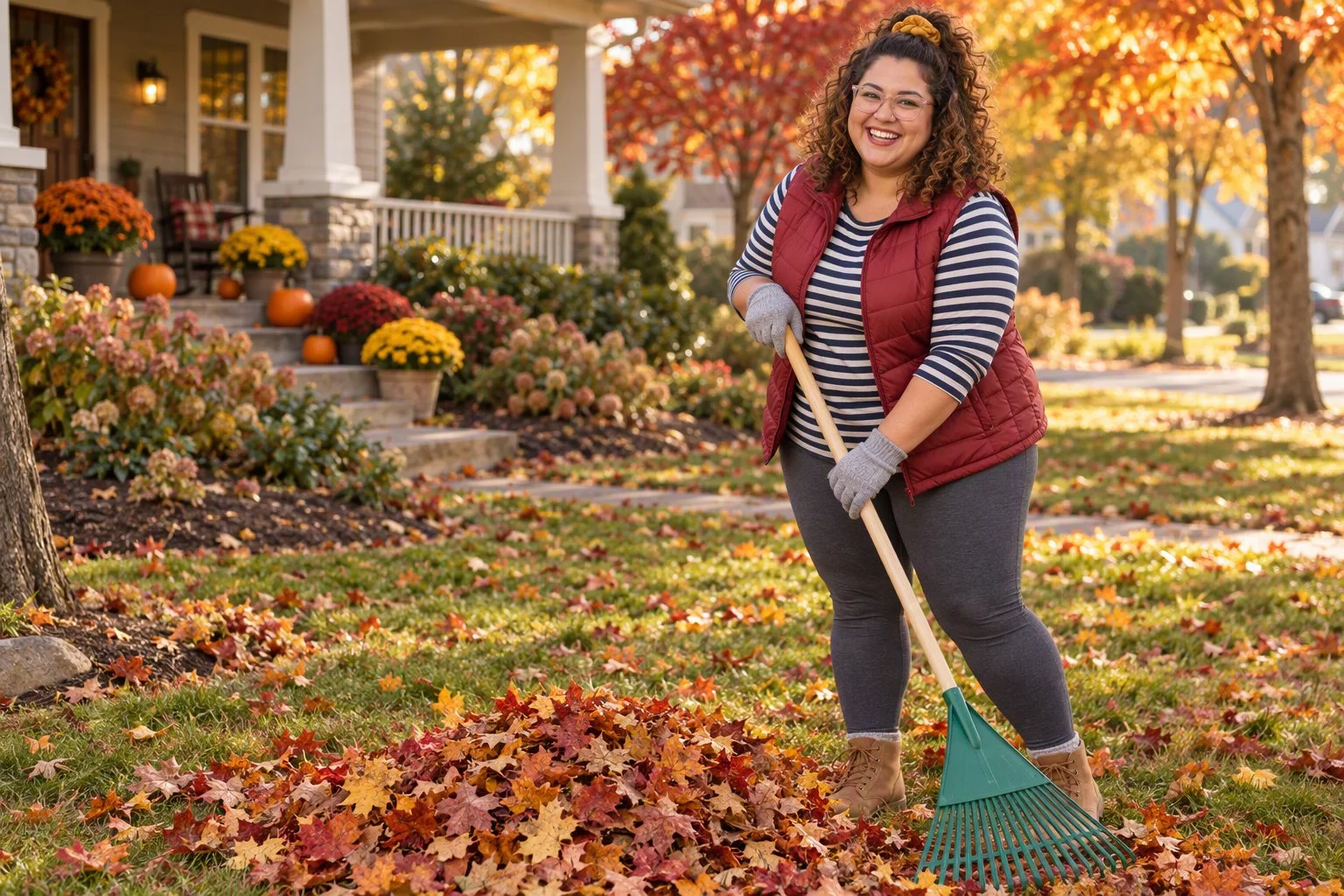
This guide is research-based; products were not tested hands-on.
If your lawn, flower beds and front walk have disappeared under a crunchy (or, worse, soggy) layer of leaves, the tool in your hands matters more than you'd think. The best leaf rake is one that doesn't clog every third pull, doesn't spear wet leaves like a kebab, doesn't snap or shed tines by November, and lets you stand tall instead of hunching until your lower back and shoulders complain. Some of these picks also solve the most tiring part of the job: bending over again and again to scoop piles into a bag that keeps flopping shut. Quick note on how this guide was put together: ReviewDeal has not hands-on tested these rakes. The picks are researched from Amazon listing details and specs, what established review outlets broadly agree on, and general yard-care guidance.
As an Amazon Associate, ReviewDeal earns from qualifying purchases.
Below you'll find quick picks, a side-by-side comparison table, a closer look at eight tools (five rakes plus three pick-up and hauling helpers), and a practical guide to choosing the best rake for leaves in your own yard. That guide covers plastic versus metal, wide versus narrow, handle length, back-friendly technique and what to do with all those leaves once they're piled up. If you're short on time, the Quick Picks list will point you in the right direction in about thirty seconds.

Quick Picks: The Best Leaf Rake for Every Yard
Best Overall: True Temper Clog Free Poly Leaf Rake, 24-inch. A sweet-spot 24-inch poly head with an anti-clog design and a cushioned grip, at about 2 pounds.
Best for Wet Leaves, Pine Needles and Heavy Debris: The Groundskeeper II Rake, 21-inch. Stiff, angled steel tines are designed to dig in without you pushing down, plus a long 55-inch fiberglass handle.
Best for Big Lawns: Bully Tools 30-inch Polypropylene Tine Leaf Rake. An extra-wide head moves more leaves per pull across large, open grass.
Best Adjustable, Space-Saving Rake: Tabor Tools J16A Adjustable Telescopic Metal Leaf Rake. The head expands from 8 to 23 inches and the handle collapses to 32 inches for small-garage storage.
Best Budget-Friendly Rake for Flower Beds and Tight Spots: Oliynedy Small Adjustable Metal Leaf Rake, 9-inch. A narrow head slips between perennials and under shrubs, and the handle adjusts from 30 to 60 inches.
Best for Picking Up Leaves Without Bending: Amazing Rake 3-in-1 Back Saving Garden Rake. It rakes, scoops and grabs, so you can bag small piles from a standing position.
Best Leaf Scoops for Bagging Piles Fast: Rugg Original Leaf Scoops. Two oversized "hands" pick up big armfuls in one go.
Best Add-On for Hauling Leaves: Fiskars 30-Gallon Kangaroo Collapsible Pop-Up Garden Bag. A spring-open bag that stays open while you fill it and folds flat for storage.
Leaf Rakes and Cleanup Tools Compared
Pick | Head and tines | Handle | Best for | Watch out for | Shop |
|---|---|---|---|---|---|
True Temper Clog Free (Best Overall) | 24-inch poly head, Clog Free design | 48-inch hardwood, cushion grip | Medium to large lawns, dry leaves, mulch | Shorter handle for tall users; poly not for rocks or thatch | |
The Groundskeeper II (Wet Leaves and Pine Needles) | 21-inch co-polymer head, 28 hardened steel tines | 55-inch fiberglass, swivel hanger | Wet leaves, pine straw, acorns, sticks, light de-thatching | Unusual look; can scratch decks; needs assembly | |
Bully Tools 30-inch (Big Lawns) | 30-inch curved poly head, reinforced poly tines | Triple-wall fiberglass, rubber grip; about 68 inches overall | Large, open lawns | Awkward in beds; heavier at about 3.3 pounds; takes storage space | |
Tabor Tools J16A (Adjustable) | Expands 8 to 23 inches, galvanized steel wire teeth | Steel telescoping, 32 to 63 inches, rubber grip | Mixed yards, beds plus lawn, small storage spaces | Less rigid for heavy wet piles; not for cement per Tabor | |
Oliynedy Small Rake (Beds and Tight Spots) | 9-inch metal head, 11 tines | Screw-together pole, 30 to 60 inches | Flower beds, under hedges, narrow areas | Slow on open lawns; metal tines can scratch | |
Amazing Rake 3-in-1 (Pick Up Without Bending) | About 18-inch copolymer polypropylene head | Telescopic-style, rubber or TPE grip; about 64 inches overall | Raking and grabbing small piles standing up | Lower star average; smaller grabs than hand scoops | |
Rugg Leaf Scoops (Bagging Piles) | Pair of high-impact plastic scoops, about 12.25 inches wide each | Built-in hand grips | Scooping large piles into bags or bins | Still requires stooping or kneeling | |
Fiskars Kangaroo Bag (Hauling) | 30-gallon pop-up bag, vinyl-coated polyester | Carry handles | Collecting and hauling leaves to the bin or compost | Fills fast; can blow over when empty |
Our Top Leaf Rake Picks, Reviewed
Each pick below includes the key listing details, honest pros and cons based on its specs and the well-known tradeoffs of its rake type, and a quick "who should skip it" so you don't buy the wrong tool for your yard. Star ratings are as shown on Amazon at the time of writing. They can shift, and they're a rough signal, not a verdict.
1. True Temper Clog Free Poly Leaf Rake: Best Overall
If you want one rake that handles a typical suburban lawn without fuss, this is the easy recommendation. True Temper says its patented Clog Free head design prevents leaves from clogging or getting speared on the tines, which tackles one of the most annoying parts of raking: stopping every few pulls to peel leaves off by hand. The 24-inch poly head lands right in the width range many yard-care guides call the sweet spot. It's wide enough to make real progress but still manageable along fences and around trees. At about 2 pounds, per the listing, it's light enough that your arms won't give out before the lawn does.
The 48-inch hardwood handle has an ergonomic cushion grip designed for long sweeps, a nice touch if blistered palms are a regular part of your fall. The listing also notes a limited 15-year warranty against manufacturer defects, which is generous for a rake. It's an Amazon's Choice item with about 4.6 stars from roughly 370 ratings at the time of writing.
Best for: Medium to large lawns with mostly dry or lightly damp leaves, plus mulch cleanup and raking near decks and patios where you don't want metal tines scraping the surface.
Key features
24-inch poly (plastic) head with True Temper's patented Clog Free design
48-inch hardwood handle with ergonomic cushion grip
About 2 pounds, per the listing
Designed for medium to large yards, for leaves, mulch and more
Limited 15-year warranty against manufacturer defects, per the listing (made by The AMES Companies, model 2914912)
Pros
Anti-clog design targets the stop-and-unstick routine
24-inch head balances coverage and control
Lightweight for long sessions
Cushion grip may help reduce hand fatigue and blisters
Poly tines are gentler on patios and decks than metal
Long listed warranty
Cons
48-inch handle is on the shorter side, so taller people may find themselves leaning
Poly tines aren't made for prying rocks or pulling heavy thatch, and plastic can get brittle in hard freezes
Wood handle should be stored out of the weather
Fewer ratings than some other picks on this list
Who should skip it: Taller folks who want a longer handle, anyone whose yard is mostly pine needles, acorns or wet, matted leaves (go Groundskeeper), and anyone whose garage has no room for a full-length rake (go Tabor).
2. The Groundskeeper II Rake: Best for Wet Leaves, Pine Needles and Heavy Debris
The Groundskeeper II doesn't look like the fan rake you grew up with, and that's the point. Instead of flat, springy tines, it uses 28 round, stiff, angled, spring-loaded hardened steel tines set in a no-break co-polymer head. Groundskeeper says the tines dig in without downward pressure, so you can rake standing upright and take pressure off your back. That's a big deal if you've spent past autumns muscling soggy leaves out of the grass.
Per the listing, it works on leaves, mulch, pine straw, sticks, acorns and gravel, and can de-thatch lawns while letting green stems pass through. If you've been hunting for the best rake for pine needles, this design is built for exactly that kind of clingy, tangled debris. Groundskeeper also says it self-cleans when you flip it over and pull it toward you, so leaves and needles slip out. The brand claims it can cut raking time by up to 25 percent, which is the brand's claim, not something ReviewDeal has measured.
The 55-inch, 1-inch-diameter fiberglass handle is notably longer than the True Temper's, and Groundskeeper says the whole tool is extremely lightweight at about 2 pounds. Tines are replaceable, it's made in the USA per the listing, and it comes with a manufacturer's limited lifetime warranty against defects. It's an Amazon's Choice item with about 4.7 stars from roughly 4,150 ratings at the time of writing, the largest rating count among the rakes here.
Best for: Wet or matted leaves, pine needles and pine straw, acorns, sticks, gravel areas and light de-thatching, especially if you want to rake standing up straighter.
Key features
21-inch head with 28 round, angled, spring-loaded hardened steel tines
No-break co-polymer head and replaceable torsion-spring tines
55-inch, 1-inch-diameter fiberglass handle with pre-drilled assembly hole and swivel hanger
About 2 pounds, per Groundskeeper
Made in the USA and limited lifetime warranty against defects, per the listing
Pros
Designed to grab debris without pressing down, which may ease back strain
Handles wet leaves, needles, acorns and twigs that defeat flimsy rakes
Long fiberglass handle suits taller users
Replaceable tines and a lifetime warranty support long-term use
Swivel hanger makes wall storage easy
Cons
Looks and feels unusual compared with a fan rake, so expect a short learning curve
21-inch head moves fewer dry leaves per pull than a 30-inch poly rake
Steel tines can scratch decks and pavers
Some assembly required
Who should skip it: Anyone raking mostly dry leaves across a big, flat lawn (the Bully Tools covers ground faster), and anyone who mainly clears a wood deck or patio.
3. Bully Tools 30-inch Polypropylene Tine Leaf Rake: Best for Big Lawns
When you're facing a wide-open lawn with leaves from edge to edge, width is your friend. The Bully Tools 30-inch rake has an extra-wide poly head (about 22 inches long by 30 inches wide, per the listing) on a tool that measures about 68 inches overall. Bully Tools says the curved head and angled teeth engage all tines at once and let you scoop right after raking. The description also mentions 90-degree tine ends for a better grab on leaves and grass.
The tines are flexible, double-reinforced polypropylene co-polymer, and the triple-wall fiberglass handle is coated in a polyester veil to prevent splintering, with a rubber grip at the top. Bully Tools says the long handle improves raking mechanics to reduce back strain. Per the listing, it assembles in under a minute with a Phillips screwdriver and pliers. It's 100 percent made in the USA by a family-owned company, weighs about 3.3 pounds and carries a limited lifetime warranty per the description. A 24-inch version is also available on the same listing if 30 inches sounds like too much.
Best for: Large, open, mostly flat lawns where you want to clear the most ground per pull, and anyone who wants a longer overall tool.
Key features
30-inch-wide curved poly head (24-inch version also offered)
Flexible, double-reinforced polypropylene co-polymer tines with angled teeth
Triple-wall fiberglass handle with polyester veil coating and rubber grip
About 68 inches overall and about 3.3 pounds
Made in the USA and limited lifetime warranty, per the description
Pros
Widest head on this list for faster big-lawn cleanup
Curved head is designed to help scoop leaves after raking
Long overall length suits taller users
Fiberglass handle is built to resist splintering
Quick, simple assembly
Cons
A wide head is awkward in tight spaces and flower beds
Takes up more storage room
Heavier than the 2-pound picks, and each pull moves a bigger load
Poly tines aren't meant for rocks or heavy thatch
Who should skip it: Small-yard owners, anyone whose leaves mostly land in beds and around shrubs, and anyone tight on garage space.
4. Tabor Tools J16A Adjustable Telescopic Metal Leaf Rake: Best Adjustable, Space-Saving Rake
If your yard is a little bit of everything (some lawn, a few beds, a hedge line) and your garage is already full, an adjustable leaf rake like the Tabor Tools J16A can stand in for two or three tools. Per the listing, the teeth expand from 8 to 23 inches wide and lock in any position in between. Set it narrow to work under hedges, between flower beds and among perennials, then open it wide for faster cleanup of leaves and pine straw.
The steel telescoping handle extends from a collapsed 32 inches to a full 63 inches and locks at any length with a twist, so people of different heights can rake comfortably. When you're done, the fan folds to a tight profile that Tabor says fits in a garage, shed, RV or camping gear. The teeth are galvanized steel wire to prevent rust, and there's a rubber grip. One important note: Tabor says it is not meant for cement or heavy-duty debris.
It's an Amazon's Choice item with about 4.6 stars from roughly 2,550 ratings at the time of writing. One caveat that applies to every pick here: Amazon ratings can be pooled across sizes and variations of the same listing. This one covers both the J16A and J18A models, so not every rating is necessarily for this exact version.
Best for: Mixed yards with lawn plus beds, small storage spaces, and anyone who wants a handle she can dial to her exact height.
Key features
Expandable head from 8 to 23 inches, locks at any width
Steel telescoping handle from 32 to 63 inches, twist-lock at any length
Galvanized steel wire teeth to prevent rust
Rubber grip
Folds to a compact profile for storage
Pros
One rake for open lawn, beds and tight spots
Handle length adjusts for nearly any height
Collapses small for crowded garages and sheds
Rust-resistant galvanized teeth
Cons
Adjustable joints and a telescoping handle are less rigid than a one-piece rake for big, heavy wet piles
Joints can loosen over time, so check them each season
Metal tines can scratch decks and hard surfaces
Not for concrete or heavy-duty debris, per Tabor
Who should skip it: Anyone with a large lawn of heavy, wet leaves who wants maximum stiffness, and anyone who mostly rakes on patios or pavement.
5. Oliynedy Small Adjustable Metal Leaf Rake: Best Budget-Friendly Rake for Flower Beds and Tight Spots
Full-size rakes are great on lawns and clumsy everywhere else. The Oliynedy small rake is the detail tool: a 9-inch-wide metal head with 11 tines, made for leaves, pine needles, small debris and grass clippings under hedges, in flower beds, in chicken coops and in other narrow areas. Per the listing, it's designed not to damage plant feeder roots, which matters when you're working around perennials you'd like to see again next spring.
The handle adjusts from 30 to 60 inches by screwing pole sections together. The listing says assembly takes about a minute and screws are included, and that the range suits both tall and shorter gardeners with less bending. The pole is a thickened 1-inch diameter with a rustproof, skid-proof painted finish and a plastic handle top. At about 16 ounces, it has the lightest listed weight of the rakes here, and it breaks down small enough to carry in a car or bag. It's budget-friendly, too, which makes it an easy add-on to a main lawn rake.
Best for: Flower beds, mulched areas, under shrubs and hedges, along foundations and anywhere a wide rake won't fit.
Key features
9-inch metal head with 11 tines
Screw-together handle adjustable from 30 to 60 inches
1-inch-diameter pole with rustproof, skid-proof painted finish
About 16 ounces, per the listing
Collapsible for transport and storage
Pros
Narrow head reaches between plants and under low branches
Very light and easy to maneuver
Adjustable length for different heights
Budget-friendly second rake
Stores in almost no space
Cons
A 9-inch head is slow on an open lawn, so it's a second rake, not your only one for a big yard
Screw-together sections are less seamless than a one-piece handle
Metal tines can scratch hard surfaces
Who should skip it: Anyone who only needs to clear open grass and has no beds or shrubs to work around.
6. Amazing Rake 3-in-1 Back Saving Garden Rake: Best for Picking Up Leaves Without Bending
Raking is only half the job. The other half is getting the pile into a bag, which is where a lot of back strain sneaks in. The Amazing Rake 3-in-1 is designed to rake, scoop and pick up debris in one tool, with the listing summing it up as "just rake, grab and bag." The brand says it's designed for no bending, no stooping and no touching debris.
Per the listing, it's made of what the brand calls unbreakable copolymer polypropylene and weighs about 2.5 pounds. The listing specs mention an 18-inch head (the product name also references 17 inches), a telescopic-style handle, a rubber or TPE grip and an overall height of about 64 inches. The listing doesn't go into much more detail than that, so we're keeping claims to what's stated. It's an Amazon's Choice item with about 4.2 stars from roughly 1,310 ratings at the time of writing, the lowest average among these picks, which is worth weighing.
Best for: Anyone who wants to gather and bag smaller piles from a standing position, especially in modest yards or for spot cleanups between bigger raking days.
Key features
3-in-1 design: rake, scoop and grab
Copolymer polypropylene construction, per the brand
About 2.5 pounds
About 18-inch head and a telescopic-style handle with rubber or TPE grip
About 64 inches overall
Pros
Designed to let you pick up leaves without bending or stooping
Combines raking and pick-up in one tool
Lightweight
Keeps your hands off wet, grimy debris
Cons
Lower star average than the other picks
Each grab holds less than a pair of hand scoops, so it's best for smaller piles and loose debris
Not a substitute for a wide rake on a big lawn
Sparse listing details
Who should skip it: Anyone with a big lawn and huge piles who mainly wants speed (scoops plus a pop-up bag will usually move volume faster), and anyone who prefers a proven, simple design.
7. Rugg Original Leaf Scoops: Best Leaf Scoops for Bagging Piles Fast
Leaf scoops are one of those small, budget-friendly purchases that can change how fall cleanup feels. The Rugg Original Leaf Scoops come as a pair, one for each hand, and the listing says they're ideal for picking up large piles of leaves, grass clippings, twigs and mulch. They're made of high-impact plastic with strong teeth and built-in handles, made in the USA, and each scoop measures about 12.25 inches wide per the listing dimensions. Think of them as giant hands that grab an armful in one motion instead of a dozen little handfuls.
They have about 4.7 stars from roughly 4,160 ratings at the time of writing. The honest caveat: they're a pick-up tool, not a raking tool, and you still need to stoop, squat or kneel to use them. Pairing them with a kneeling pad, or with the pop-up bag tipped on its side, can make that part easier.
Best for: Moving big raked piles into bags, bins or a compost pile quickly, with far fewer trips up and down.
Key features
Pair of scoops, one per hand
High-impact plastic with strong teeth
Built-in handles
About 12.25 inches wide each, per the listing
Made in the USA
Pros
Grabs much bigger loads than bare hands
Can cut down on the number of times you bend to clear a pile
Handles leaves, clippings, twigs and mulch
Budget-friendly and easy to store
Cons
You still need to stoop, squat or kneel
Plastic can crack if stepped on or used in freezing temperatures
For picking up only, not raking
Who should skip it: Anyone who can't comfortably kneel or crouch at all (the Amazing Rake 3-in-1 is designed for standing pick-up).
8. Fiskars 30-Gallon Kangaroo Collapsible Pop-Up Garden Bag: Best Add-On for Hauling Leaves
Anyone who has tried to hold a floppy paper or plastic bag open with one hand while stuffing leaves in with the other will understand the appeal here. The Fiskars Kangaroo bag has an internal spring that pops it open and keeps it standing, so both hands stay free. Per the listing, it holds 30 gallons, measures about 23 by 23 by 26 inches, folds flat (about 3 inches) for storage and has sturdy handles for carrying and dumping. The material is tear- and mildew-resistant vinyl-coated polyester that's easy to clean, and Fiskars backs it with a lifetime warranty per the listing.
It has about 4.4 stars from roughly 8,230 ratings. It's handy beyond leaf season, too: the listing mentions weeds, grass clippings, yard toys and even laundry.
Best for: Collecting leaves and hauling them to a bin, compost pile or curbside bags, especially when you're working solo.
Key features
30-gallon pop-up design with internal spring
Folds flat for storage
Sturdy carry handles for dumping
Tear- and mildew-resistant vinyl-coated polyester
Lifetime warranty, per the listing
Pros
Stays open on its own, so both hands are free
Can be laid on its side so you rake straight in
Reusable and easy to clean
Stores flat
Useful year-round for other yard chores
Cons
30 gallons fills fast with fluffy leaves, so expect several trips
Can tip or blow over when empty on windy days
It's a reusable hauling bag, not a curbside yard-waste bag, so check your local pickup rules
Who should skip it: Anyone who mulch-mows most leaves in place or rakes everything onto a tarp and drags it to a compost area.
How to Choose a Leaf Rake
There's no single perfect rake for every yard, but you can narrow it down fast by answering three questions: What are you raking? Where are you raking it? Where will the rake live the other ten months of the year?
Match the rake to your yard and debris
Start with the job, not the tool. A wide leaf (fan) rake is built for open lawns. A narrow or adjustable rake gets into flower beds, under shrubs and around perennials. Stiff, round or spring-style steel tines are the better bet for wet, matted leaves, pine needles, acorns, twigs and light thatch, while poly tines shine on dry leaves across flat lawns and near decks or patios.
It also helps to understand the leaf rake vs garden rake difference, because they're often shelved side by side. A leaf rake has a flexible fan of long tines designed to glide over grass and gather light material. A garden rake (also called a bow rake) has short, rigid steel tines on a straight bar. It's made for leveling soil, spreading mulch and moving gravel. It's too heavy for leaves and tends to dig into turf, so it's not a good substitute.
For many yards, the most practical setup is two tools: a main rake for the lawn (like the True Temper or Bully Tools) and a small or adjustable one for the beds (like the Oliynedy or Tabor Tools).
Plastic or metal tines?
Wondering whether to buy a plastic or metal leaf rake? Here's the honest tradeoff.
Plastic (poly) tines are lighter, quieter, gentler on decks and patios, and they don't rust. On the downside, they can get brittle in freezing temperatures, wear down faster if you drag them across pavement, and can crack if you use them to pry rocks or pull heavy debris.
Metal tines are more durable, flex over bumps and uneven ground, and handle twigs, thatch and heavier debris better. They can scratch decks and pavers, can dig into soft soil if you press too hard, and can rust unless they're galvanized or coated (the Tabor Tools teeth are galvanized, per the listing).
If you rake a lot of patio or deck, lean poly. If your yard has pine trees, oaks dropping acorns, or leaves that sit wet for days, lean metal.
Head width: wide, narrow or adjustable?
About 24 inches is a common sweet spot for most yards. It's wide enough to make progress but still easy to steer, and that's why the True Temper is our overall pick. Going up to 30 inches, like the Bully Tools, speeds up big lawns, but each pull carries a heavier load and the rake needs more storage space. For beds and tight spots, an 8- to 12-inch head is much easier to work with.
An adjustable leaf rake splits the difference by changing width on the fly, which is great for mixed yards and small storage areas. The tradeoff is a little less rigidity than a fixed head. One more detail: wider spacing between tines lets small debris slip through, so if you're chasing pine needles or tiny leaves, tighter or stiffer tines work better.
Handle length, material and grip
Handle length is the most overlooked factor, and it's the one that most affects how your back feels at the end of the day. A common rule of thumb: with the rake head on the ground, the top of the handle should reach roughly the bridge of your nose. That lets you stand upright instead of hunching. If you're tall, look at the 55-inch Groundskeeper handle, the roughly 68-inch overall Bully Tools, or an adjustable handle like the Tabor Tools (up to 63 inches) or the Oliynedy (up to 60 inches).
Material matters too:
Fiberglass is light, strong and weather-resistant.
Wood feels sturdy and classic, but store it dry to avoid cracking or splintering.
Steel telescoping handles adjust to your height and collapse for storage, though the joints are a potential weak spot.
Finally, the grip. A truly ergonomic leaf rake has a cushioned or rubber grip where your hands actually spend their time. That can help prevent blisters on long afternoons. A pair of well-fitting garden gloves helps even more.
Easier on your back: technique and pick-up tools
The right rake helps, but how you use it matters just as much. These general yard-care tips can make a long session more comfortable:
Stand tall and keep the rake close. Short, controlled strokes toward your body beat long, reaching pulls that make you lean.
Switch sides often. Alternate which hand is on top so one side of your body isn't doing all the work.
Use your legs. Step with the rake rather than twisting at the waist.
Rake with the wind, not against it, so the breeze helps instead of scattering your pile.
Rake onto a tarp and drag it to the compost pile or curb instead of lifting dozens of loads.
Rake before the leaves get soaked and matted. Dry leaves are dramatically lighter.
Take breaks. Split a big yard into sections across a weekend.
A quick, gentle note: anyone with back, shoulder or wrist pain should pace themselves and check with a doctor or physical therapist if pain persists. A rake is a tool, not a treatment, and a "back-saving" design can reduce strain but can't fix an injury.
If you've ever searched for how to pick up leaves without bending, the pick-up step is where the right tools help most. Leaf scoops like the Rugg pair let you grab big armfuls in one motion, so you bend far less often (though you'll still need to crouch or kneel). A grabber-style tool like the Amazing Rake 3-in-1 is designed for standing pick-up of smaller piles. And here's an easy trick: set the Fiskars pop-up bag on its side and rake directly into it, then tip it upright. Fewer lifts, fewer stoops.

What to do with all those leaves
You don't have to bag every leaf. A few options can save you time and trips:
Mulch-mow light layers right into the lawn with a mower. Chopped leaves break down and return nutrients to the soil.
Use leaves as mulch in flower beds and around shrubs, where they help insulate roots over winter.
Compost them. Fallen leaves are a classic "brown" ingredient for compost, and a compost bin keeps them contained while they turn into rich garden material for spring.
If you do bag for curbside pickup, check your local yard-waste rules first. Some towns require paper yard-waste bags or set specific collection dates.
Storage and care
A little care keeps a rake working for years:
Hang rakes tines-down or on a wall hook so the tines don't bend under the rake's weight (the Groundskeeper comes with a swivel hanger for this).
Rinse off mud and let the rake dry before storing.
Keep wood handles dry and out of the weather.
Check screws, locks and joints on adjustable rakes each season, and tighten anything that's worked loose.
Store poly rakes out of extreme cold when you can, since plastic can get brittle.
Short on space? Telescoping and collapsible rakes like the Tabor Tools and Oliynedy, plus the flat-folding Fiskars bag, fit where long tools won't.
Leaf Rake FAQ
What is the best leaf rake for a lawn?
For most average-size lawns, a 24-inch rake with a comfortable grip is the most versatile choice, which is why the True Temper Clog Free is our overall pick. If you're shopping for the best leaf rake for lawn areas that are very large and open, a 30-inch head like the Bully Tools moves more leaves per pull. If your lawn collects wet leaves, pine needles or acorns, the steel-tined Groundskeeper II is the better match.
Is a plastic or metal leaf rake better?
Neither is better across the board. Plastic is lighter, gentler on decks and patios and won't rust, but it can get brittle in hard freezes and wears down on pavement. Metal is more durable and handles twigs, thatch and heavier debris, but it can scratch hard surfaces. Choose based on your surfaces and what's falling from your trees.
What is the difference between a leaf rake and a garden rake?
A leaf rake has a fan of long, flexible tines designed to gather light material like leaves and clippings without tearing up grass. A garden or bow rake has short, rigid steel tines and is built for soil, mulch and gravel. It's too heavy for raking leaves and tends to dig into turf.
What is the best rake for pine needles and acorns?
Look for stiff, round or spring-style steel tines that grab small, slippery debris instead of letting it slide through. The Groundskeeper II is designed for exactly this, and per the listing it handles pine straw, acorns, sticks and gravel. For pine needles in beds, a narrow metal rake like the Oliynedy can get between plants.
How do you pick up leaves without bending over?
Use a standing pick-up tool like the Amazing Rake 3-in-1, which is designed to rake, scoop and grab without stooping. Or rake leaves directly into a pop-up bag laid on its side, or onto a tarp you can drag. Leaf scoops reduce how often you bend, though they still require some crouching or kneeling.
How wide should a leaf rake be?
About 24 inches is a common sweet spot. Go up to 30 inches for big, open lawns, and down to 8 to 12 inches for flower beds and tight spaces. An adjustable rake covers the whole range in one tool.
What is the best way to rake leaves fast?
Use a wide rake on open areas, rake with the wind, and work in sections toward a tarp or a pop-up bag. Rake before leaves get soaked, since wet leaves are heavier and stickier. Save the narrow rake for beds once the big areas are done, and use scoops to clear piles in fewer moves.
Is it better to rake or use a leaf blower?
It depends on your yard. A rake is quiet, needs no batteries or fuel, gives a cleaner finish in beds and around plants, and doubles as decent exercise. A blower is faster on big, flat areas and driveways. Many people use both: a cordless leaf blower to push leaves off large surfaces, then a rake for beds, edges and final cleanup.
Should you rake leaves or leave them on the lawn?
A thin layer of leaves can be mulch-mowed into the lawn, where it breaks down over time. A thick, matted layer, though, can block light and trap moisture against the grass through winter, so it's generally worth clearing heavy accumulations. In flower beds, leaving or adding a layer of leaves as mulch is a common practice.
How We Chose These Rakes
We want to be upfront about how this list came together. ReviewDeal did not hands-on test these products. Instead, we evaluated each pick on:
Listing specs and materials: tine type (poly or steel), head construction and handle material, based on Amazon US listing details checked at the time of writing.
Head width and tine design: how well each matches common jobs like open lawns, beds, wet leaves and pine needles.
Handle length and adjustability: whether the rake lets a range of heights stand upright.
Grip and weight: cushioned or rubber grips and lighter overall weights where listed.
Warranty: where the listing states one.
Storage: collapsible, telescoping or hangable designs for smaller spaces.
Expert consensus: broad themes that established review outlets agree on about rake types and features.
Range: a spread of yard sizes, debris types and budgets, from budget-friendly to upper mid-range.
Availability and rating volume: in-stock Amazon listings with meaningful rating counts, keeping in mind that ratings can be pooled across variations.
We don't make medical claims about any tool. "Back-friendly" here means designs intended to let you stand more upright or bend less, not a guarantee of how your body will feel.
The Bottom Line
If you only buy one rake, make it the True Temper Clog Free Poly Leaf Rake. Its 24-inch head, anti-clog design, cushioned grip and roughly 2-pound weight make it a smart, comfortable choice for most lawns.
From there, match the tool to your situation:
Wet leaves, pine needles, acorns or twigs? Go with The Groundskeeper II, whose stiff steel tines and long fiberglass handle are designed to let you rake standing up.
Big, open lawn? The Bully Tools 30-inch clears more ground per pull.
Mixed yard or tiny garage? The Tabor Tools J16A adjusts from 8 to 23 inches and collapses to 32 inches.
Flower beds and tight spots? Add the budget-friendly Oliynedy 9-inch rake as your detail tool.
Bending is the worst part? Add Rugg Leaf Scoops for fast bagging, the Amazing Rake 3-in-1 for standing pick-up of smaller piles, and the Fiskars Kangaroo pop-up bag so you can rake right into a bag that stays open on its own.
Then, once the last pile is gone, give yourself the reward: a mug of something warm and an evening out on the cleared patio, maybe with a patio heater taking the chill off. You earned it.
By Kiyomi Dyme
Keep reading.

Best Raised Garden Bed (2026): 8 Picks for Vegetables, Patios and Easier Backs
Heavy clay, sore knees or a patio with no ground to dig? These 8 raised garden beds cover deep metal kits, standing-height cedar, rolling elevated planters, tiered wood and portable grow bags for vegetables and easier backs.
Read Guide
Best Smokeless Fire Pit (2026): 8 Cozy Picks for Backyard Nights
Love a backyard fire but hate smoke in your eyes and hair? These 8 smokeless fire pits cover patios, small yards, tabletops, cooking, propane and extra heat for November nights.
Read Guide
Best Garden Gloves (2026): 8 Picks for Thorns, Weeding and Fall Cleanup
The best garden gloves for every fall job, from elbow-length rose gauntlets and thin nitrile weeding gloves to a women's leather-palm everyday pair and warm insulated gloves, plus how to get the right fit.
Read Guide